
What truly separates a so-called "luxury" perfume from a mere high-end product? The question is worth asking, especially in 2026, where the perfumery market has profoundly transformed. Price alone is no longer enough to define the olfactory signature of luxury. Codes have changed, driven by a quest for discretion, transparency, and authenticity. This article is not a product catalog nor a list of impersonal recommendations. It is a connoisseur's guide, a sensory and educational exploration of what constitutes the scent of luxury today. We will look beyond the bottle, ignore the logos, and focus on the essentials: the raw material, the evolution, the emotion. In 2026, olfactory luxury is a whispered art of living, and we will learn to listen to it.
Table of Contents
- What is a Luxury Perfume in 2026? (Redefining the Codes)
- The Ingredients That Make the Difference: Exceptional Raw Materials
- How to Choose Your Luxury Perfume? Practical Guide for an Informed Purchase
- Major Trends 2026: Where is Olfactory Luxury Heading?
- Luxury Perfume vs. Mass-Market Perfume: The Real Differences
- How to Maintain and Store a Luxury Perfume?
- FAQ – Frequently Asked Questions About Luxury Perfumes
- Conclusion: Olfactory Luxury, an Art of Living
What is a Luxury Perfume in 2026? (Redefining the Codes)
Olfactory luxury has changed its face. For decades, it was measured by the price per milliliter and the power of projection. In 2026, these benchmarks have become obsolete, or at least insufficient. True luxury is first seen in the rarity of raw materials. Natural absolutes, hand-harvested flower extracts, slowly distilled resins: this is what justifies a high price, much more than the name engraved on the bottle. Concentration also plays a decisive role. A perfume extract, with its 20 to 40% concentrate, is nothing like a standard eau de parfum, and connoisseurs know it.
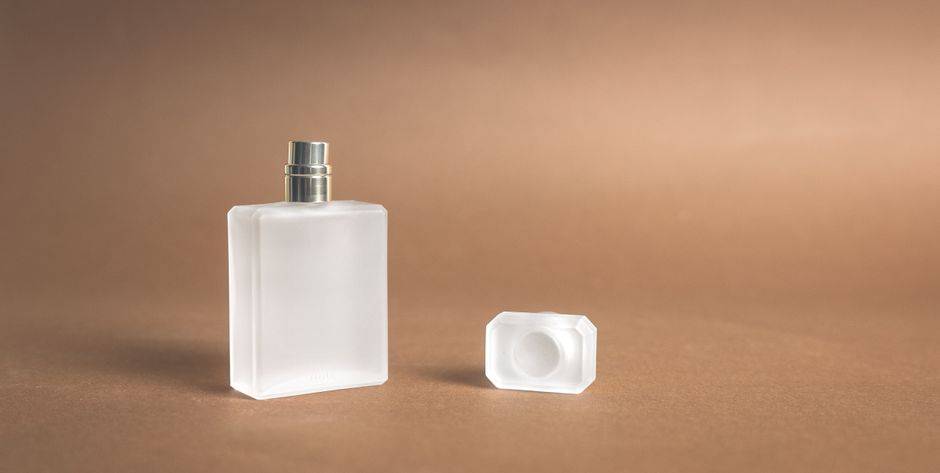
The most striking trend this year is undoubtedly "quiet luxury" in perfumery. Gone are the aggressive sillage that announce a presence even before entering a room. Soft, sophisticated fragrances are discovered in the intimacy of an embrace or a gesture. They do not impose themselves, they reveal themselves. This philosophy of discreet elegance transforms the way houses compose their juices, favoring subtlety over ostentation.
Transparency has become an essential standard. Major French houses, like independent artisans, now communicate about the origin of their ingredients, their sustainable practices, and the absence of endocrine disruptors. The 2026 consumer is no longer satisfied with pretty words: they want to know where the rose comes from, how the sandalwood was cultivated, whether the musk is synthetic or natural. Finally, craftsmanship and small series complete the reshaping of the landscape. Mass-market perfumery blockbusters, produced in millions of copies, are giving way to limited productions, numbered bottles, collaborations with independent perfumers. Luxury is what is not found everywhere.
The Ingredients That Make the Difference: Exceptional Raw Materials
A luxury perfume is primarily recognized by the quality of its raw materials. This is a fact that marketing campaigns sometimes prefer to obscure, but which the nose immediately perceives. High-quality natural ingredients possess a complexity, richness, and evolution that cheap synthetics cannot imitate. In 2026, exceptional houses are focusing on purer extractions and more ethical sourcing to offer unparalleled olfactory experiences.
Reinvented Classics: Rose, Jasmine, Sandalwood
Grasse rose remains a pillar of luxury perfumery, but its use has evolved. Irisia and Centifolia varieties are still prized, and houses are investing in purer extraction methods such as concrete or enfleurage. These ancient techniques, costly in time and labor, produce an essence with a tenacity and complexity that no standard distillation can match. Mysore sandalwood, now protected and almost unobtainable, has been replaced by high-quality Australian or Indian sandalwoods. Perfumers often associate them with milky notes to recreate the creamy, enveloping effect that characterized the original Mysore. Grandiflorum jasmine, harvested at dawn in Egypt or India, offers a sunny and slightly animalic facet. This almost carnal richness is the signature of a living ingredient, which synthetic molecules struggle to faithfully reproduce.
Niche Ingredients: Oud, Iris, Cistus
Authentic oud, or agarwood, is a marker of absolute luxury. Its smoky, woody, and animalic complexity requires long and costly distillation, and its price can exceed that of gold. Collectors seek it out, houses sublimate it. Iris, more precisely iris root, is one of the most expensive ingredients in the world. It takes several years of drying for the rhizome to develop this delicate powder, this timeless elegance that inhabits the great classics. Cistus labdanum, a Mediterranean resin harvested from the leaves of a wild shrub, provides an amber and warm base. It is typical of so-called "leathery" luxury perfumes, these deep and enveloping compositions that evoke soft leather and old wood paneling.
Newcomers: Vegetable Notes and High-End Synthetics
So-called "clean" synthetic molecules, such as ambroxan or iso E super, are used sparingly by the best perfumers. Their role is to prolong wear without overpowering naturals, and not to replace the heart of the perfume. In 2026, unexpected vegetable notes are emerging in collections: green and milky fig, powdery matcha tea, steamed basmati rice. These accords bring a minimalist freshness and modernity that appeal to a clientele seeking singularity.
How to Choose Your Luxury Perfume? Practical Guide for an Informed Purchase
Buying a luxury perfume is not to be improvised. The choice is vast, prices are high, and mistakes can be costly. A simple method helps avoid disappointment and find the fragrance that truly suits you.
The first step is to define your olfactory style. The main families — floral, woody, oriental, fresh — correspond to personalities and times of day. A sunny floral will suit an extroverted temperament, a refined woody scent will suit a more reserved elegance. Take the time to get to know yourself before entering a store.
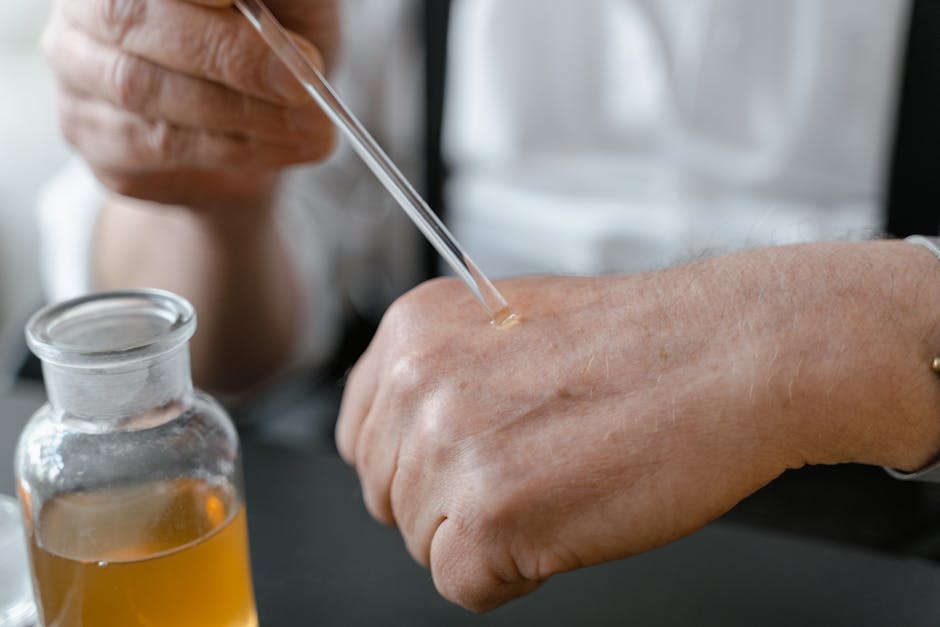
Testing on the skin is imperative. A paper blotter only reveals a fraction of the perfume. Body chemistry radically changes the evolution of notes. A juice that seems perfect on paper can turn sour on certain skin types. The ideal is to wear an extract for 24 hours, observe its evolution, and note how it reacts to heat, movement, and time.
Longevity and sillage are objective criteria of quality. A luxury perfume extract should last at least 6 to 8 hours on the skin. The sillage should be moderate to strong, but never overwhelming. Learn to read the top, heart, and base notes. Top notes, volatile, disappear in a few minutes. The heart develops for several hours. Base notes—woods, musk, amber—are those that remain on the skin at the end of the day. A perfume that evolves in three distinct acts is a sign of quality and complexity.
Favor French houses and recognized perfumers. Guerlain, Chanel, Diptyque remain safe bets, but artisans like Ormonde Jayne, Affinessence, or Maison Violet deserve your full attention. These human-sized houses often work with exceptional raw materials and daring compositions. For those who wish to extend the luxury experience beyond personal perfume, the world of scented candles offers a natural continuity, with vegetable waxes and complex perfumes that transform an interior into a sensory sanctuary. A selection of exceptional candles for the home allows you to explore this complementary dimension of olfactory luxury.
Major Trends 2026: Where is Olfactory Luxury Heading?
The luxury perfume market is undergoing a profound transformation. Several major trends are emerging in 2026, driven by the expectations of a more informed and demanding clientele.
The return of extracts and high concentrations is evident. Consumers are willing to pay more for less volume, provided the perfume lasts all day. This logic of quality over quantity is reshaping product ranges and formats. "Quiet luxury" is establishing itself as a philosophy in its own right. Brands like Liis, House of Bo, and BEY Parfum embody this trend with refined compositions, without ostentatious logos, that rely entirely on the quality of the raw material and discreet emotion.
Sustainability and ethics are no longer options but purchasing criteria. Refillable bottles, plastic-free packaging, and fair-trade ingredients are becoming the norm in the luxury segment. Personalization is gaining ground: houses offer bespoke perfumes or olfactory creation workshops, whether at Guerlain or online with independent perfumers. Finally, the influence of the Middle East continues to inspire Western creations. Oud, spices, and resins are everywhere, and Franco-Emirati collaborations are multiplying, blending Grasse's savoir-faire with the olfactory traditions of the Gulf.
Luxury Perfume vs. Mass-Market Perfume: The Real Differences
The line between luxury and mass market is sometimes blurred for the hurried consumer. However, the differences are real and measurable.
The quality of raw materials is the primary distinguishing criterion. A luxury perfume uses costly natural extracts: absolutes, essential oils, concretes. Mass perfumery massively uses synthetic molecules, which are cheaper but also less complex. Concentration and longevity follow the same logic. A perfume extract contains 20 to 40% concentrate, compared to 10 to 15% for a standard eau de parfum. The difference is felt on the skin, both in duration and richness.
Complexity and evolution immediately distinguish a great perfume from a commercial product. A luxury scent unfolds in three acts, from top to base, each phase revealing new facets. A mass-market perfume often remains linear, monotonous, without surprise. The bottle and presentation are not insignificant. Blown glass, a heavy metal cap, an embossed label are luxury markers that mass distribution can only imitate cheaply. Is the price justified? Yes, if one considers the real cost of materials, research, niche marketing, and rarity. But beware of brands that capitalize on the word "luxury" without substance, selling dreams in an empty bottle.
How to Maintain and Store a Luxury Perfume?
An exceptional perfume is an investment. A few simple steps can preserve it and allow you to fully enjoy its beauty for months.
Light and heat are the sworn enemies of fragrances. A perfume should be stored away from direct light, in a cool place, ideally between 15 and 20 degrees Celsius. The bathroom, with its temperature variations and humidity, should be strictly avoided. Always close the bottle carefully after use. Oxygen alters the top notes, which are the most volatile and precious. An opened bottle should be used within 12 to 18 months for an optimal experience.
Never shake your perfume. Contrary to popular belief, shaking introduces air bubbles that accelerate oxidation and degrade the fragrance. For travel, use airtight travel atomizers and avoid abrupt temperature changes, especially in airplane cargo holds. Finally, refill rather than discard. More and more houses offer refills, an economical and ecological solution that preserves the original bottle, often a design piece in its own right.
FAQ – Frequently Asked Questions About Luxury Perfumes
What is a "quiet luxury" perfume? It's a discreet and sophisticated fragrance that doesn't shout but leaves a subtle and elegant trace. Examples include Guerlain Angelique Noire or Liis Bo.
How long does a luxury perfume extract last? Between 8 and 12 hours on the skin, or even longer on clothes, depending on the concentration and quality of raw materials.
What is the difference between eau de parfum and extract? The extract contains 20 to 40% concentrate, compared to 10 to 15% for eau de parfum. It is richer, more tenacious, and generally more expensive.
Are luxury perfumes tested on animals? Most French and European houses are certified cruelty-free, in accordance with EU regulations. Check labels like Leaping Bunny or PETA to be sure.
Where to buy authentic luxury perfumes in France? Prefer official boutiques, department stores like Galeries Lafayette or Le Bon Marché, or trusted specialized websites.
Can luxury perfumes be layered? Yes, layering is a common practice to create a unique signature. Combine a woody base with a floral note, or an oud extract with a fresh water. Experimentation is key.
Conclusion: Olfactory Luxury, an Art of Living
Olfactory luxury is not just about price or a name. It lies in the raw material, the concentration, the evolution on the skin, and the ethics of the house that produces it. In 2026, it is more than ever a matter of personal taste, ecological awareness, and the quest for authenticity. We invite you to explore niche houses, both French and international, prioritizing careful sampling and patient discovery. The perfect perfume is the one that tells a story, your story. What will be your next olfactory favorite? The exploration has only just begun.